
Last updated: 3 November 2026
If you’ve scrolled through a wellness feed lately, chances are you’ve spotted a jar of thick black goo with a lot of hype attached. That’s shilajit. It’s been around for thousands of years, but it’s only recently caught on in Australia. So what is it, really? Here’s the no-nonsense rundown.
Shilajit at a glance
- What it is: a dark, sticky natural resin that seeps from high-altitude rock, most famously in the Himalayas.
- How it forms: plant material breaks down between layers of rock over centuries.
- Key compounds: fulvic acid, humic acid and a range of trace minerals.
- Traditional use: Ayurveda, India’s traditional medicine system, where it’s classed as a rasayana.
- Also known as: mumijo or mumie in Russia and Central Asia.
- Forms sold in Australia: resin, gummies, honey sticks, powder and capsules.
What is shilajit?
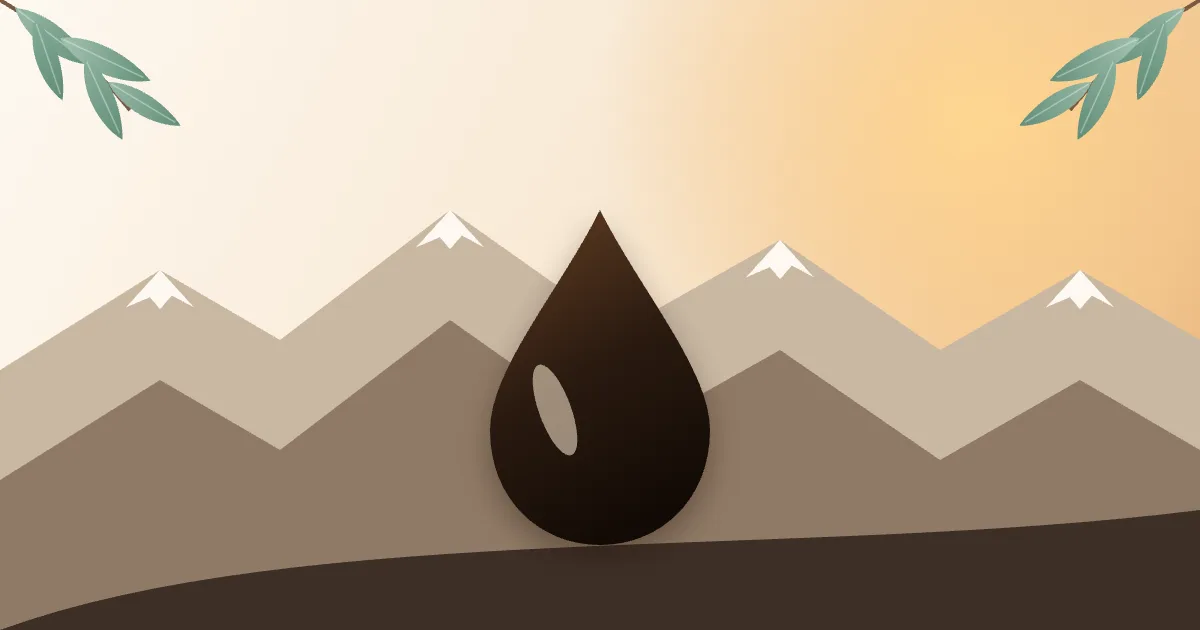
Shilajit is a sticky, dark brown to black natural substance that seeps from rock faces in high mountain ranges, most famously the Himalayas. It forms over centuries as plant material breaks down between layers of rock, and it has been used in traditional Indian medicine (Ayurveda) for thousands of years.
When the weather warms up, the resin softens and seeps out of cracks in the cliffs, where it’s collected by hand. The name comes from Sanskrit and is often translated as “conqueror of mountains”, which gives you an idea of how highly it was regarded.
What is shilajit made of?
Shilajit is a complex natural mix rather than a single ingredient. Its best-known compound is fulvic acid, along with humic acid and dozens of trace minerals. The exact makeup depends on where it’s harvested and how it’s processed, which is one reason quality differs so much between brands.
How has shilajit been used traditionally?
In Ayurveda, India’s traditional medicine system, shilajit has been used for millennia and is classed as a rasayana, a group of substances traditionally taken to support overall vitality. Traditional use isn’t the same as proven medical benefit, though: modern research is still at an early stage.
Any brand promising that shilajit will cure or treat a condition is overstepping. In Australia, therapeutic claims are regulated by the Therapeutic Goods Administration (TGA), and responsible sellers don’t make them.
What forms of shilajit can you buy in Australia?
In Australia you’ll mostly find shilajit as resin, gummies, honey sticks, powder or capsules. Resin is closest to its natural state, while gummies and honey sticks trade a little tradition for a lot of convenience. Neither is better; it comes down to which one you’ll actually stick with.
- Resin: the traditional form. Thick, tar-like and dissolved in a warm drink.
- Gummies: a modern, pre-measured chew that skips the strong taste.
- Honey sticks: single-serve sachets of shilajit blended with honey, easy to stir into a hot drink.
- Powder and capsules: convenient, but often more heavily processed and harder to verify.
How do you choose good-quality shilajit?
Choose shilajit from a seller that tells you where it’s sourced, explains how it’s purified, and can share independent lab testing for your batch. That matters because shilajit comes from mineral-rich rock, so poorly made product can contain things you don’t want, including heavy metals.
- Clear information on where it’s sourced
- An explanation of how it’s purified
- Independent lab testing, ideally with batch results you can request
- A real business name, address and contact details
For the full checklist, see our guide on how to spot fake shilajit.
Should you try shilajit?
That’s your call. Shilajit is a fascinating natural substance with a deep traditional history, and it’s easy to see why Aussies are curious. Go in with realistic expectations, buy from a source that’s open about testing, and check with your GP first if you have a health condition or take regular medication.
Keen to try it? We stock shilajit two easy ways: shilajit gummies with 400mg shilajit extract per gummy, and shilajit honey sticks in single-serve 8 g sticks. Shipping is free anywhere in Australia once your order reaches $200 AUD. Browse our full shilajit range, or read our guide on where to buy shilajit gummies and honey sticks in Australia.
This article is general information, not medical advice.
FAQs
How do you pronounce shilajit?
Most Australians say it “SHIL-uh-jit”. You’ll also hear “shi-LAH-jeet”, which is closer to how it’s said in India. Both are widely understood.
What does shilajit taste like?
Pure shilajit resin tastes earthy, smoky and slightly bitter, which is why many people dissolve it in a warm drink. Gummies and honey sticks are flavoured, so the taste is much milder.
Is shilajit the same as mumijo?
Broadly, yes. Mumijo (or mumie) is the name used in Russia and Central Asia, including the Altai mountains, for a similar mineral-rich resin. Its makeup varies by region, so always check the label and testing information.
Does shilajit expire?
Shilajit products carry a best-before or expiry date on the label, so go by that. Until then, store it somewhere cool and dry with the lid tightly closed.